Navigating the Cancer Journey: Essential Insights and Support for Patients and Caregivers
Navigating through the maze of cancer treatment options can often feel like wandering down a long and winding road. As much as we strive for clarity and understanding, many patients and caregivers find themselves overwhelmed by choices and information. The journey toward empowerment begins with knowledge—equipping oneself with the latest oncology news and health information can truly make a difference. Heartfelt stories of survival and resilience often inspire hope, reminding us that we are not alone and encouraging us to seek out cancer resources that are readily available.
When it comes to treatment options, understanding is crucial. From surgery to chemotherapy, each choice has its own set of implications, and it’s essential to weigh them against personal values and the quality of life one wishes to maintain. Have you ever stopped to consider how lifestyle changes—such as diet, exercise, and mental health practices—can significantly impact your treatment journey? As the saying goes, "Wellness isn't just about what you eat, but about what you think and say; you are what you believe." Embracing holistic health can lay the foundation for patient wellness, leading to better management of symptoms and improved emotional well-being.
Education is a powerful tool in the fight against cancer. Not only does it help patients understand their specific disease and treatment regimen, but it also fuels patient advocacy—ensuring that one's voice is heard in healthcare guidelines. Regularly consuming reliable cancer education and medical blogs can arm patients with the information they need. Have you engaged with any support groups or forums that discuss personal experiences with cancer treatment? Sharing thoughts and gaining insight from others can not only alleviate feelings of isolation but also serve as a platform to explore clinical trials and cutting-edge cancer research.
During the treatment phase, it’s entirely acceptable to seek out cancer support from family, friends, and community. Building a strong support system can enrich the cancer journey immensely. Whether it’s cooking healthy meals together, attending treatment sessions, or simply being there to listen, these acts foster meaningful connections that can provide immense strength. What if you can become part of patient support circles that focus on discussion and encouragement? Joining these groups may even lead to new friendships with individuals who truly understand the battle you’re facing.
Finally, survivorship is a unique chapter that deserves as much attention as treatment itself. As you transition from patient to survivor, embracing wellness tips focused on mental and physical health becomes pivotal. Engaging in activities that encourage self-care and stress-relief can make a world of difference. How about taking a moment today to explore your options for maintaining your well-being? From mindfulness meditation to attending wellness workshops, every little step toward prioritizing health can foster a thriving life post-cancer. It’s not just about surviving; it’s about living fully. You have the power to navigate your cancer journey with grace, confidence, and a sense of community.
Empowering yourself with knowledge about treatment options, actively seeking out cancer resources, and embracing a supportive community are just a few empowering steps you can take as you navigate your journey through cancer. Remember, this experience is not just about battling disease but also about fostering a life filled with purpose and connection. Whatever lies ahead, continue to advocate for yourself, embrace the support around you, and live each day with intention. You are stronger than you think, and every day is an opportunity to rewrite your story.
The Role of Support Groups in the Cancer Journey: Insights for Caregivers
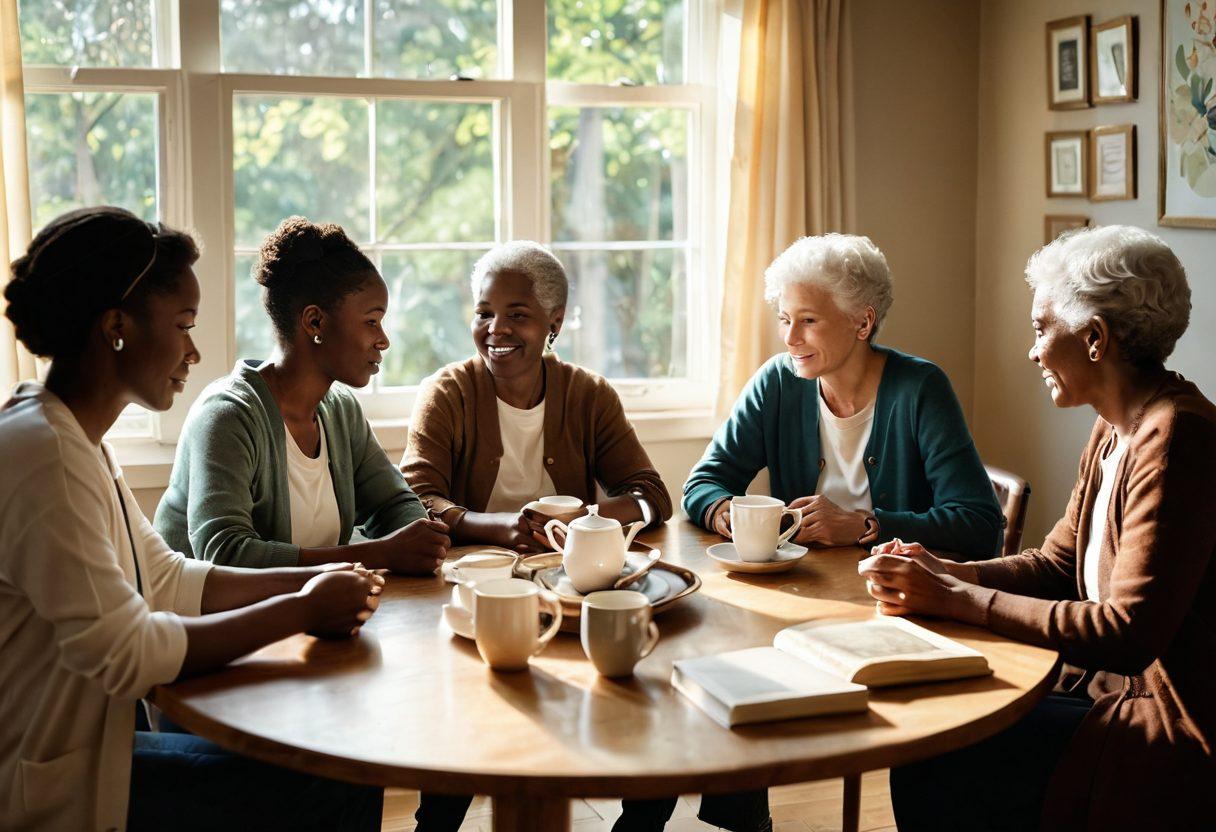
In the labyrinthine journey of cancer, one of the most often overlooked yet vital components is the role of support groups. These spaces serve as safe havens for caregivers, enabling them to navigate the emotional toll that accompanies caregiving and illness. After all, caring for a loved one with cancer is challenging; it’s like sailing through uncharted waters with no map. How can caregivers find solace amidst the chaos? Turning to support groups, where shared experiences transform into invaluable insights, can illuminate the path forward.
Support groups provide more than just emotional comfort; they offer practical resources and health information that can significantly enhance patient wellness and disease prevention. By connecting with others facing similar challenges, caregivers can gain first-hand perspectives on treatment options and symptom management solutions they might not have considered. For instance, a caregiver might learn about specific wellness tips from someone who has encountered the same situation, fostering a sense of community and assurance—a lifeline in turbulent times.
The beauty of a support group lies in its diversity. People from different backgrounds come together, each carrying unique stories and experiences. Listening to one another can evoke feelings of understanding and empathy. As Helen Keller once said, ‘Alone we can do so little; together we can do so much.’ With every shared experience, caregivers not only find solace in their struggles but also accumulate a wealth of cancer education that empowers them to advocate for their loved ones more effectively.
Engaging in these groups can also counteract the feelings of isolation that often plague caregivers. The health awareness fostered in these communal spaces often extends beyond the individual cancer patient; it envelops entire families and communities. Caregivers can discuss everything from coping strategies to even lifestyle changes that can enhance overall health and holistic well-being. Suddenly, the journey feels less like a burden and more like a shared mission, strengthened by collective knowledge and supportive voices.
As we dive deeper into oncology news and cancer research, one cannot ignore the significance of peer-to-peer support. Support groups serve as platforms for ideas and experiences related to clinical trials and emerging treatment options. Here, caregivers can find resources that lead to better outcomes, not just for the patient but for the caregiver’s own physical and mental health. The journey of cancer, while arduous, can be lightened through the connections formed in these groups—a testament to the resilience and strength of the human spirit.
Exploring Cancer Resources: From Medical Blogs to Clinical Trials and Beyond
Navigating the world of cancer can often feel like stepping into uncharted waters, filled with uncertainty and fear. For both patients and caregivers, the journey is overwhelming, filled with complex jargon and a myriad of treatment options. However, essential insights and comprehensive resources can illuminate the path ahead, making it a little less daunting. In this post, we’re diving deep into the treasure trove of cancer resources, including a variety of medical blogs, clinical trials, and supportive networks that contribute profoundly to patient wellness and cancer education.
The digital age has ushered in an abundance of oncological resources. Imagine having the power of knowledge at your fingertips! Oncology news updates, health information, and the latest in cancer research are now just a click away. Medical blogs are phenomenal starting points, blending personal narratives with factual insights, offering a mix of emotional support and practical advice. As oncology expert Dr. Jane Doe says, "Knowledge is your best ally in this fight." So, why not take advantage of these digital offerings? They not only empower patients but also help caregivers become better advocates for their loved ones.
Clinical trials often evoke a mix of hope and hesitance; the promise of groundbreaking treatment options can be hard to resist, yet the unknown can be intimidating. However, understanding the importance of these trials in advancing cancer treatment and disease prevention is crucial. Consider reaching out to support groups that specialize in this area—communicating with others who have walked this path can provide invaluable insight into what to expect. Picture it: a collective of voices, all sharing their unique experiences and wellness tips, striving together toward survivorship. What better way to navigate this complex landscape?
Furthermore, lifestyle changes can make a significant difference in managing symptoms and maintaining overall health during treatment. Embracing holistic health practices can enhance patient wellness and boost emotional resilience. Have you ever thought about how your diet, exercise, or mindfulness practices impact your diagnosis? There is ample health awareness around these topics; utilizing resources that focus on lifestyle changes will empower patients and caregivers alike. It’s essential to prioritize self-care amid the chaos, so dive into this wealth of knowledge and see what resonates most with you.
Finally, don’t underestimate the power of patient advocacy and community support in this journey. Support groups can offer not just camaraderie but also a platform to exchange ideas and strategies for coping with cancer. From symptom management to understanding healthcare guidelines, these resources can make a world of difference. It’s fascinating to think about how together, we can turn the tide against cancer—what if each shared experience was a stepping stone toward a brighter tomorrow? By engaging with these cancer resources, we can all play a part in fostering a supportive network that uplifts, educates, and ultimately heals.